The Backward Treadmill: The Ultimate Guide 2024
Introduction
Have you ever thought about taking your treadmill routine in a whole new direction? If you’re like me and love finding new ways to challenge your body, backward treadmill walking and jogging might be just the thing for you. It’s an unconventional workout that’s been gaining traction for its unique benefits. Let’s dive into the world of backward treadmill exercises and discover why you should consider giving it a try.
What is Backward Treadmill Walking and Jogging?
Backward treadmill walking and jogging involve moving in reverse on a treadmill. This unusual approach targets different muscle groups compared to forward movement, offering a fresh challenge for your body. It’s not just about stepping back; it requires more balance and coordination, turning a routine treadmill session into a full-body workout.
Benefits of Backward Treadmill Walking and Jogging
Physical Benefits
One of the biggest perks of walking or jogging backward is the unique muscle engagement. It primarily targets the quadriceps and calves more than forward motion, providing an excellent way to build leg strength. Moreover, this exercise can improve cardiovascular health by providing a new challenge to your heart and lungs. And yes, it’s great for burning calories! In fact, moving backward can burn more calories in less time because it’s more demanding.

Mental and Cognitive Benefits
But the benefits aren’t just physical. Walking and jogging backward can enhance your coordination and mental focus. It requires greater concentration and proprioception (your body’s ability to sense movement, action, and location), which can sharpen your mental acuity. Think of it as a workout for your brain as well as your body.
How to Get Started
Choosing the Right Treadmill
Not every treadmill is ideal for backward walking or jogging. Look for one with a long and wide belt to give you ample space to move. Safety features like an emergency stop button are crucial. Some advanced treadmills even come with specific settings for backward motion, which can be very helpful.
Preparing Yourself
Before jumping onto the treadmill, it’s important to warm up. Stretch your legs, focusing on the calves and hamstrings since these will be heavily involved. Mentally prepare yourself to focus on balance and coordination; it might feel awkward at first, but that’s perfectly normal.
Step-by-Step Guide to Backward Treadmill Walking
Setting the Treadmill
Start with a slow speed, around 1 to 2 mph. There’s no need for an incline at first; the goal is to get comfortable with the movement.
Proper Form and Technique
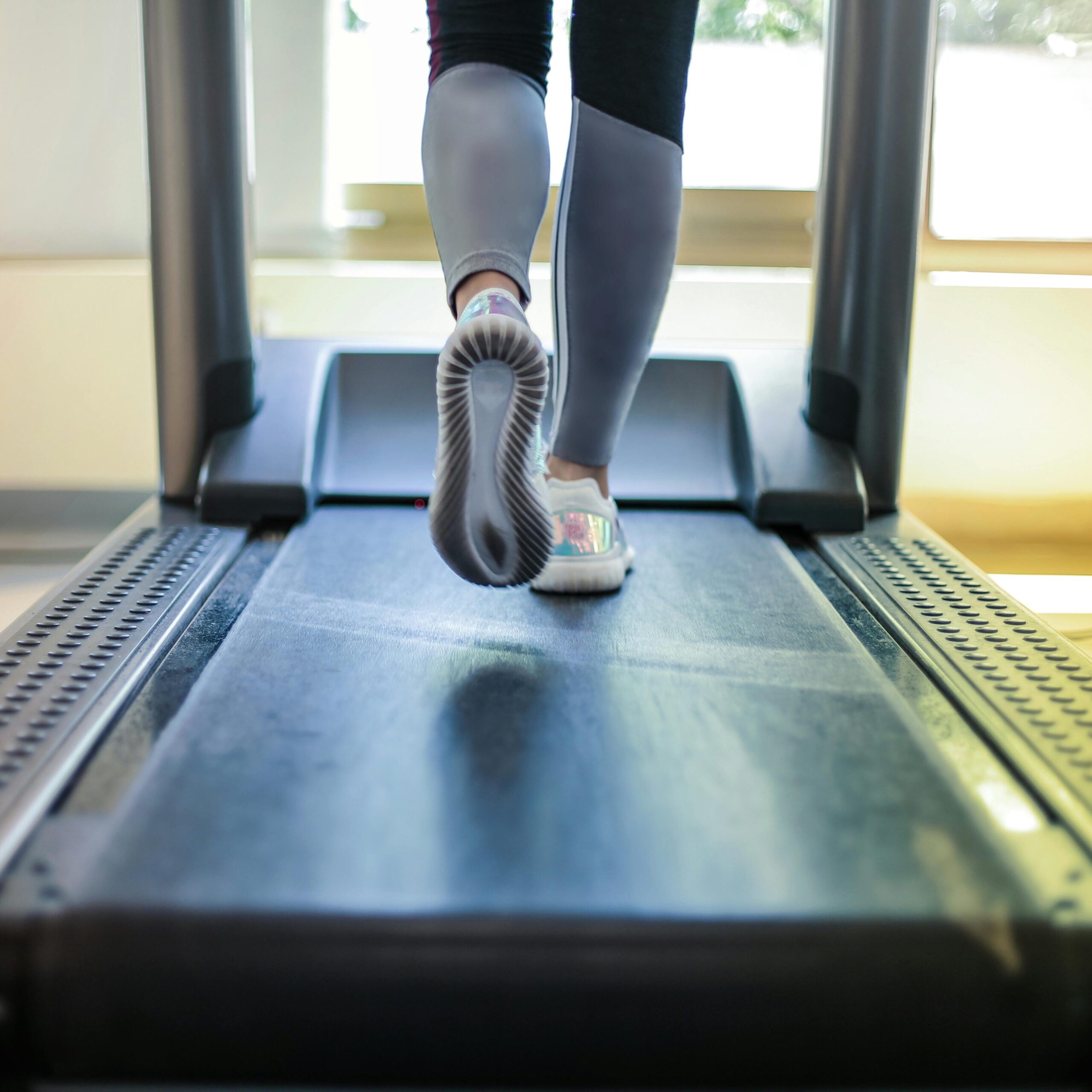
tand tall with your shoulders back and your core engaged. Place your feet flat on the belt and begin walking slowly, pushing off from your toes. Keep your eyes forward to maintain balance and use the handrails if needed until you gain confidence.
As you become more comfortable, focus on keeping your strides smooth and even, and gradually increase your speed. Ensure your arms are moving naturally at your sides, and avoid gripping the handrails tightly. Regularly check your posture to prevent slouching and maintain optimal alignment throughout your workout.
Step-by-Step Guide to Backward Treadmill Jogging
Progression from Walking to Jogging
Once you’re comfortable with walking backward, gradually increase the speed. Transition to a brisk walk before moving into a jog. Start with short intervals of jogging interspersed with walking to build up your endurance.
Maintaining Balance and Safety
Jogging backward requires more balance than walking. Focus on a steady rhythm and smooth movements. Avoid bouncing, which can disrupt your balance. Initially, you might need to use the handrails lightly, but aim to jog without holding on as you become more stable.
Disadvantages and Risks
Potential Injuries
Like any exercise, backward treadmill walking and jogging come with risks. Common injuries include strains to the Achilles tendon or calves. To minimize these risks, always warm up properly and start slowly. Listen to your body and stop if you feel any pain.
Limitations
While beneficial, this exercise isn’t for everyone. People with balance disorders, severe arthritis, or certain lower limb injuries should avoid it. Always consult a healthcare professional if you’re unsure whether this exercise is right for you.
Tips for Effective Workouts
Consistency
Consistency is key to seeing results. Incorporate backward treadmill sessions into your routine at least twice a week. Gradually increase the duration and intensity as your comfort and strength improve.
Variety in Workouts
To keep things interesting, mix in other exercises like forward jogging, strength training, and flexibility workouts. This not only helps prevent boredom but also ensures a well-rounded fitness regimen.
Real-Life Success Stories
Case Study 1
ane, a 45-year-old office worker, struggled with knee pain from years of running. After incorporating backward treadmill walking into her routine, she noticed a significant reduction in pain and an improvement in her overall leg strength.
Case Study 2
Mark, a 30-year-old fitness enthusiast, wanted to challenge himself and break through a fitness plateau. He started backward jogging and found that it not only enhanced his cardiovascular fitness but also improved his balance and coordination, benefiting his performance in other sports.
Conclusion
Backward treadmill walking and jogging offer a unique and effective way to enhance your fitness routine. They challenge your muscles and mind in new ways, providing numerous physical and cognitive benefits. While there are some risks and limitations, with proper preparation and care, these exercises can be a valuable addition to your workout regimen. Give it a try, and you might just find yourself moving forward by going backward!
FAQs

FAQ 1: Can I lose weight by walking backward on a treadmill?
Yes, backward walking can help you lose weight by burning calories and increasing cardiovascular activity. Combined with a healthy diet, it can be an effective part of a weight loss plan.
FAQ 2: How long should I walk backward on a treadmill?
Start with short sessions of 10-15 minutes and gradually increase the duration as you become more comfortable. Aim for at least 30 minutes per session for optimal benefits.
FAQ 3: Is backward treadmill walking good for knee pain?
It can be beneficial for knee pain as it reduces the stress on the joints compared to forward walking. However, consult with a healthcare professional before starting if you have existing knee issues.
FAQ 4: Can elderly people do backward treadmill walking?
Yes, elderly people can do this exercise, but they should start very slowly and use handrails for support. It’s best to consult with a healthcare provider to ensure it’s safe for their specific health conditions.
FAQ 5: What should I wear for backward treadmill walking?
Wear comfortable workout clothing that allows for a full range of motion. Good quality, supportive athletic shoes are essential to provide proper grip and cushioning
FAQ 6: Can I lose weight by walking backward on a treadmill?
Yes, backward walking can help you lose weight by burning calories and increasing cardiovascular activity. Combined with a healthy diet, it can be an effective part of a weight loss plan.
FAQ 7: How does backward treadmill walking compare to forward walking?
Backward walking engages different muscle groups, particularly the quadriceps and calves, and can improve balance and coordination. It also burns more calories due to the increased effort required.
FAQ 8: Can I do backward treadmill walking if I have back problems?
If you have back problems, it’s crucial to consult with a healthcare professional before starting. While backward walking can strengthen the core and improve posture, it may not be suitable for all types of back issues.
FAQ 9: Should I use handrails when walking backward on a treadmill?
When starting out, using handrails for balance is a good idea. However, as you become more comfortable and confident, try to walk without holding on to improve your balance and coordination.
FAQ 10: How fast should I walk or jog backward on a treadmill?
Start at a slow speed, around 1-2 mph for walking. As you gain confidence, you can gradually increase the speed. For jogging, start with a brisk walk and slowly transition to a jog, ensuring you maintain balance and safety.
FAQ 11: Can backward treadmill walking help with rehabilitation?
Yes, it can be beneficial for rehabilitation, especially for knee and hip injuries, as it reduces joint stress and strengthens muscles. Always consult with a physical therapist or healthcare provider to tailor the exercise to your specific needs.