Treadmill Elevation Calculator: Maximize Your Fitness Results
Have you ever wondered if you’re getting the most out of your treadmill workouts? If you’re like me, always striving for the next level of fitness, you might have heard of the “treadmill elevation calculator.” But what exactly is it, and why should you care? Buckle up because we’re about to dive deep into how this nifty tool can transform your workouts from ordinary to extraordinary.
What is a Treadmill Elevation Calculator?
Let’s start with the basics. A treadmill elevation calculator is a tool that helps you measure the vertical distance you’ve “climbed” during a treadmill workout. It’s like turning your flat treadmill session into a challenging mountain hike. By factoring in the incline percentage and the distance you’ve covered, the calculator gives you an equivalent elevation gain, similar to what you’d experience running up a hill outdoors.
Why Should You Use a Treadmill Elevation Calculator?
You might be thinking, “Do I really need this?” The short answer is yes! Whether you’re training for a marathon, trying to lose weight, or just wanting to add a new challenge to your routine, a treadmill elevation calculator can make your workouts more effective. It allows you to simulate real-world terrain, track your progress accurately, and personalize your training to meet your goals.
Understanding Treadmill Elevation and Incline
The Basics of Treadmill Elevation
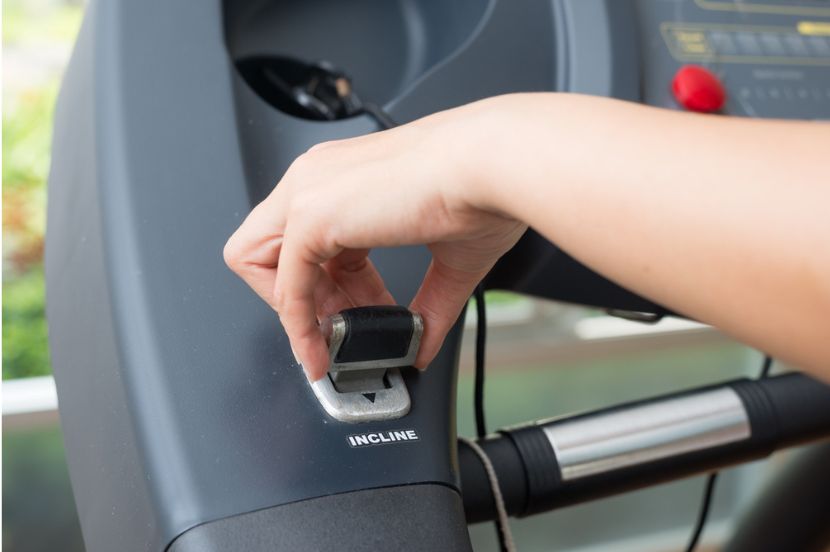
Treadmill elevation refers to the height you would have climbed if you were running or walking outdoors on a slope. It’s determined by the incline setting on your treadmill. For example, if your treadmill is set at a 10% incline, you’re simulating a 10% uphill grade, which translates to a certain elevation gain over the distance you run.
How Incline Affects Your Workout
Using an incline during your treadmill workout significantly impacts the intensity. The steeper the incline, the harder your muscles work, especially your calves, quads, and glutes. It’s not just about the legs, though; your heart rate will also climb, making it a great cardiovascular challenge. Want to burn more calories? Crank up that incline!
Elevation vs. Incline: Is There a Difference?
While incline is the setting on your treadmill, elevation is the outcome of using that incline. Think of it this way: the incline is the steepness of the hill, while elevation is how high you’ve climbed that hill. Both are crucial in shaping the difficulty and effectiveness of your workout.
Benefits of Using a Treadmill Elevation Calculator

Accurate Measurement of Workout Intensity
Ever finished a treadmill session wondering if you pushed yourself hard enough? A treadmill elevation calculator removes the guesswork by providing a precise measure of how much elevation you’ve gained. It’s a tangible metric that you can track over time, helping you see your improvement in black and white.
Enhancing Your Training for Real-World Conditions
If you’re training for an outdoor event like a race or a hike, using a treadmill elevation calculator can mimic the conditions you’ll face on race day. By gradually increasing your incline over time, you’ll build the strength and endurance needed to tackle real-world hills with confidence.
Personalized Workout Adjustments
We all have different fitness levels and goals. A treadmill elevation calculator lets you tailor your workouts to your specific needs. Want to focus on building strength? Set a steeper incline.
Training for a long-distance race? Use a moderate incline to improve your stamina. The possibilities are endless, and the control is in your hands.
How to Use a Treadmill Elevation Calculator

Step-by-Step Guide
Using a treadmill elevation calculator is simple. Here’s how you do it:
- Set your treadmill’s incline: Choose the incline percentage based on your fitness level and workout goals.
- Start your workout: Track the distance you cover.
- Enter the data into the calculator: Input the incline percentage and distance into a treadmill elevation calculator (many are available online).
- Review your results: The calculator will show you the equivalent elevation gain, giving you insight into your workout’s intensity.
Common Mistakes to Avoid
Integrating Elevation Data into Your Routine
Once you’ve got your elevation data, use it to enhance your workouts. Compare it to your previous sessions to track progress, and adjust your incline levels to keep challenging yourself. Incorporating elevation data can turn a monotonous treadmill routine into a dynamic and evolving workout plan.
While using a treadmill elevation calculator is straightforward, there are a few pitfalls to watch out for. First, don’t overestimate your incline—start low and gradually increase it as you get stronger. Also, remember that more isn’t always better. Constantly running at high inclines can strain your muscles and joints.
Using Online Treadmill Elevation Calculators
There are plenty of online tools that make calculating treadmill elevation a breeze. All you need to do is input your workout data—distance and incline—and the calculator does the rest. This is a great option for those who want quick and accurate results without doing the math themselves.
Manual Calculation Methods
For those who like to take a hands-on approach, you can calculate elevation manually. The formula is simple:
- Elevation Gain = Distance × sin (Incline Angle)
- Elevation Gain = Distance × sin (Incline Angle)
This approach is more involved, but it gives you a deeper understanding of the mechanics behind your workout.
Which Method is Best for You?
It depends on your preference. If you enjoy digging into the details, the manual method might be fun. However, if you’re looking for convenience and speed, digital calculators are the way to go.
Either way, the key is to use the elevation data to inform and enhance your training.
Top 2024 Treadmill Models with Built-In Elevation Calculators
For those of us who want to streamline our workouts, treadmills with built-in elevation calculators are a game-changer. These models not only offer advanced incline settings but also automatically calculate and display your elevation data, making it easier than ever to track your progress. Here are some of the top 2024 treadmill models that come equipped with this feature.
NordicTrack Commercial 2450 (Model 2024)
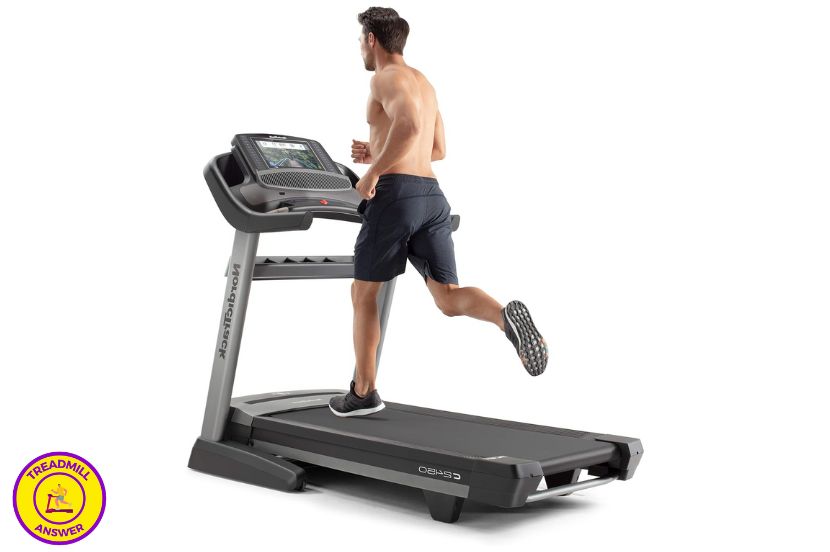
The NordicTrack Commercial 2450 is a powerhouse in the treadmill world, and the 2024 model only improves upon its stellar reputation. This treadmill features a 15% incline and a 3% decline, allowing you to simulate both uphill and downhill terrains. The built-in elevation calculator tracks your elevation gain in real-time, displaying it on the vibrant HD touchscreen. Whether you’re running a virtual trail or powering through a high-intensity interval workout, the elevation data helps you monitor and adjust your performance effortlessly.
Peloton Tread+ (Model 2024)
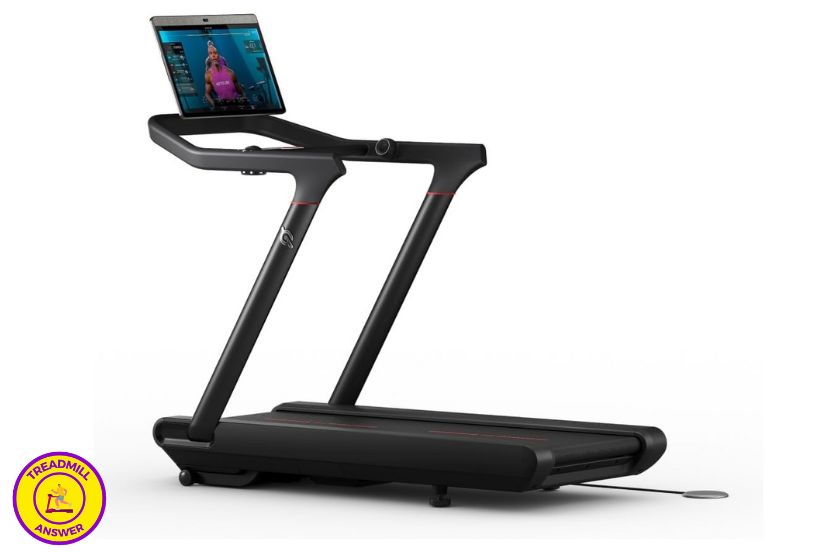
Peloton Tread has made a name for itself with its engaging and immersive workout experiences, and the Peloton Tread+ (Model 2024) continues this tradition. This treadmill offers a 15% incline, and its elevation calculator seamlessly integrates with Peloton’s live and on-demand classes. As you increase the incline, the elevation gain is displayed on the screen, syncing with your workout stats. This feature not only helps you challenge yourself but also ensures that you’re getting the most out of every session. The Tread+ is perfect for those who thrive in a community-driven environment but still want detailed metrics to track their progress.
Sole F85 Treadmill (Model 2024)
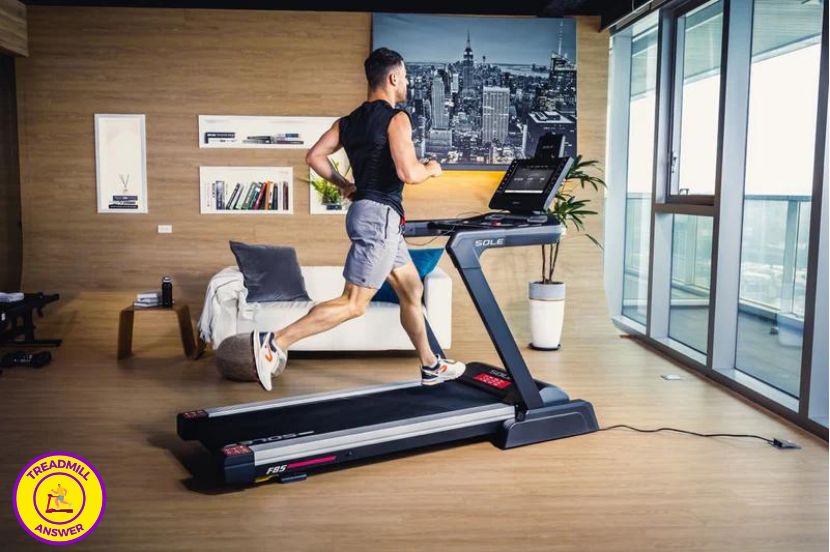
The Sole F85 Treadmill is renowned for its durability and user-friendly features, making it a favorite among serious runners. The 2024 model includes a 15% incline and an easy-to-use elevation calculator that tracks your workout’s intensity. One standout feature is its ability to save elevation data from your past workouts, allowing you to compare and contrast different sessions. This treadmill is ideal for users who want a no-nonsense approach to their training but still appreciate detailed performance metrics.
Practical Applications of a Treadmill Elevation Calculator
Using a treadmill elevation calculator isn’t just about getting a cool number at the end of your workout—it’s about applying that data to enhance your fitness journey. Here’s how you can put this tool to practical use in your everyday training.
Simulating Outdoor Terrain
Calculating Treadmill Elevation: Manual vs. Digital
If you’re preparing for an outdoor event, such as a race or a hike, a treadmill elevation calculator can help you replicate the terrain you’ll encounter. By adjusting your treadmill’s incline to match the elevation profile of your event, you can train under conditions that closely resemble the real thing. This preparation is invaluable, as it helps your muscles adapt and strengthens the mental resilience needed for outdoor challenges.
Preparing for Races and Marathons
For race training, knowing your elevation gain is crucial, especially if your event includes hilly sections. Use the elevation calculator to plan workouts that mirror the course’s topography. For instance, if you know there’s a significant hill at mile 10, you can simulate this on your treadmill, preparing your body to tackle it with ease on race day.
Weight Loss and Fat Burning Optimization
Incline workouts are known to increase calorie burn, and by using a treadmill elevation calculator, you can quantify just how much more effort you’re putting in. The higher the elevation gain, the more intense the workout, which translates to more calories burned. If weight loss is your goal, this tool can help you optimize your workouts for maximum fat-burning potential.
Common Myths About Treadmill Elevation
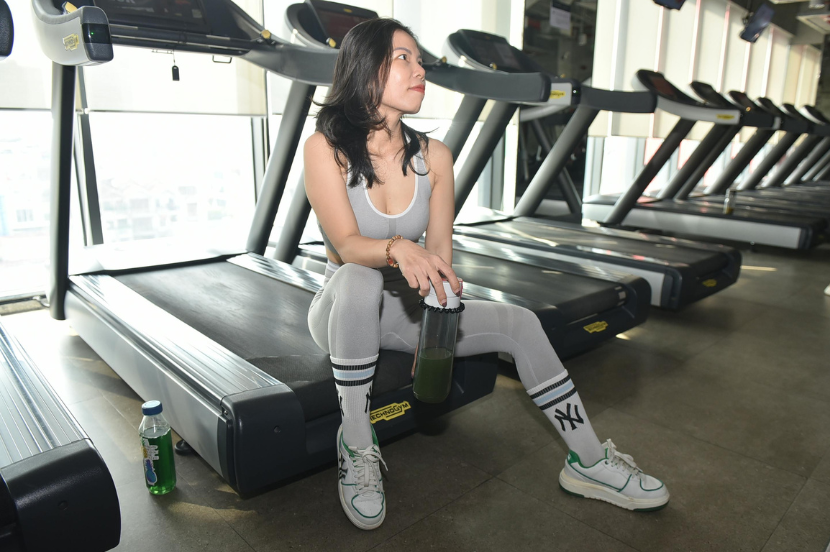
There’s a lot of misinformation out there about incline training and treadmill elevation calculators. Let’s clear up some of the most common myths so you can approach your workouts with confidence.
Myth 1: Higher Incline Means Faster Results
One of the biggest misconceptions is that cranking up the incline to the max will give you faster results. While it’s true that higher inclines increase workout intensity, it’s not always sustainable or safe to train at extreme inclines all the time. Instead, balance is key—vary your incline levels to build strength, endurance, and prevent overuse injuries.
Myth 2: Elevation Calculators are Only for Professionals
You don’t need to be an elite athlete to benefit from a treadmill elevation calculator. Whether you’re a beginner or a seasoned runner, elevation data can help you understand your workout’s effectiveness and make informed adjustments. It’s a tool for everyone, regardless of fitness level.
Myth 3: Incline Workouts are Hard on the Knees
Some people avoid incline workouts, fearing they’ll cause knee pain. However, when done correctly, incline training can actually reduce the impact on your knees compared to running on flat ground. It’s important to start with a moderate incline and gradually increase it as your muscles strengthen.
Optimizing Your Workout Using Treadmill Elevation
So, now that you know the benefits and debunked some myths, how can you optimize your workouts using a treadmill elevation calculator? Here’s a guide to help you get started.
Choosing the Right Incline Level
The right incline level depends on your fitness goals. For endurance training, stick to a moderate incline (around 4-6%) that you can maintain over long distances. If you’re focusing on strength and muscle building, a steeper incline (8-12%) will give your legs and glutes a serious workout. Remember, it’s not just about going steeper—it’s about finding the right challenge for your goals.
Balancing Speed and Elevation
Balancing speed with elevation is crucial for a well-rounded workout. If you’re running at a high incline, you might need to reduce your speed to maintain proper form and avoid injury. Conversely, when running at lower inclines, you can increase your speed to keep the intensity up. Use your treadmill elevation calculator to find the perfect balance for each session.
Combining Elevation with Interval Training
One of the best ways to maximize your results is by combining elevation with interval training. Alternate between high and low inclines to simulate hills and valleys, keeping your body guessing and your workout dynamic. For example, you could sprint at a 2% incline for one minute, then walk at a 10% incline for the next. This approach not only boosts your cardiovascular fitness but also torches calories and builds strength.
Treadmill Elevation for Different Fitness Levels

No matter where you are on your fitness journey, a treadmill elevation calculator can enhance your workouts. Here’s how to tailor your incline training to your fitness level.
Beginner’s Guide to Using Elevation
If you’re new to incline training, start slow. Begin with a low incline (1-3%) and focus on maintaining good form. As you build strength and confidence, gradually increase the incline by 1-2% each week. The goal is to challenge yourself without overdoing it, so listen to your body and take it one step at a time.
Intermediate Tips for Elevation Workouts
For those with some experience, it’s time to step up the intensity. Incorporate moderate inclines (4-8%) into your runs and experiment with different intervals. Try running at a 5% incline for five minutes, then increase to 8% for the next five. This variation keeps your muscles engaged and helps break through plateaus.
Advanced Elevation Techniques for Athletes
If you’re an advanced runner or athlete, use the treadmill elevation calculator to push your limits. Include steep inclines (10-15%) in your training to simulate mountain trails or tough race conditions. Combine this with speed work and interval training to build explosive power and endurance. Remember to always warm up and cool down properly, as high-intensity incline training can be demanding on your body.
Treadmill Elevation Calculator for Specific Goals
Whether you’re aiming for endurance, strength, or cardiovascular health, incline training can help you achieve your goals. Here’s how to use your treadmill elevation calculator for specific fitness objectives.
Elevation for Building Endurance
To build endurance, focus on long, steady climbs at a moderate incline. This simulates a continuous uphill run, teaching your muscles to sustain effort over time. Use the elevation calculator to monitor your progress, gradually increasing the incline as your endurance improves.
Elevation for Strength Training
For strength training, incorporate short, intense bursts at steep inclines. These hills will target your leg muscles, particularly your glutes, hamstrings, and calves. Track your elevation gain with the calculator to ensure you’re challenging yourself enough to see results.
Elevation for Cardiovascular Health

Incline training is excellent for cardiovascular health because it elevates your heart rate more than flat running. Combine incline intervals with your regular cardio routine to boost heart health and improve your overall fitness. Use the elevation calculator to measure your progress and keep your workouts challenging.
How to Interpret and Adjust Your Elevation Data
Collecting elevation data is just the beginning. To make the most of it, you need to know how to interpret and adjust your workouts based on the information provided by your treadmill elevation calculator.
Understanding Your Elevation Metrics
Elevation metrics might include total elevation gain, average incline, and distance covered. These numbers give you insight into your workout’s intensity and can help you identify patterns or areas for improvement. For example, if you notice your elevation gain is plateauing, it might be a sign to increase the incline to challenge yourself more. On the other hand, if you’re consistently pushing high elevation gains but struggling with endurance, it could be a cue to balance your workouts with flatter, longer runs to build stamina.
These metrics are also crucial if you’re training for events like marathons or trail runs, where elevation change plays a significant role. Monitoring your progress and making adjustments based on these metrics can help you optimize your training and achieve your fitness goals faster.
Comparing Treadmill Elevation Workouts to Outdoor Runs

When it comes to treadmill elevation workouts versus outdoor runs, there are both similarities and differences to consider.
Differences Between Treadmill and Outdoor Elevation
Running on a treadmill with elevation settings allows for a controlled environment where you can simulate various inclines without worrying about weather conditions, uneven terrain, or safety issues. However, outdoor running provides a more dynamic and natural experience, with varying terrains that can challenge your muscles differently.
One significant difference is that outdoor elevation often includes descents, which engage different muscle groups than inclines. Treadmills typically don’t offer decline options, though some advanced models do have a slight downward incline. This means that while treadmill workouts can effectively mimic uphill challenges, they may not fully replicate the downhill components of outdoor runs.
Benefits of Treadmill Elevation Over Outdoor Hills
Despite the differences, treadmill elevation offers some distinct advantages. For one, you can precisely control the incline, allowing for consistent and repeatable workouts. This is particularly beneficial if you’re training for an event with a known elevation profile. Additionally, treadmills allow you to safely push your limits without the risk of tripping or encountering unexpected obstacles.
Treadmills with elevation calculators also provide instant feedback, helping you adjust your effort in real-time. This can be especially useful for monitoring progress and making data-driven decisions about your training.
Combining Both for a Balanced Training Routine
Ideally, incorporating both treadmill elevation workouts and outdoor runs into your routine will give you the best of both worlds. Use the treadmill to fine-tune specific aspects of your incline training, such as maintaining a steady pace at a high incline. Then, take your training outdoors to apply these gains in a more variable, real-world environment.
By alternating between the two, you can build both the strength and the adaptability needed to handle any terrain, whether you’re running on a treadmill, a paved road, or a rugged trail.
Maintenance Tips for Treadmills with Elevation Features
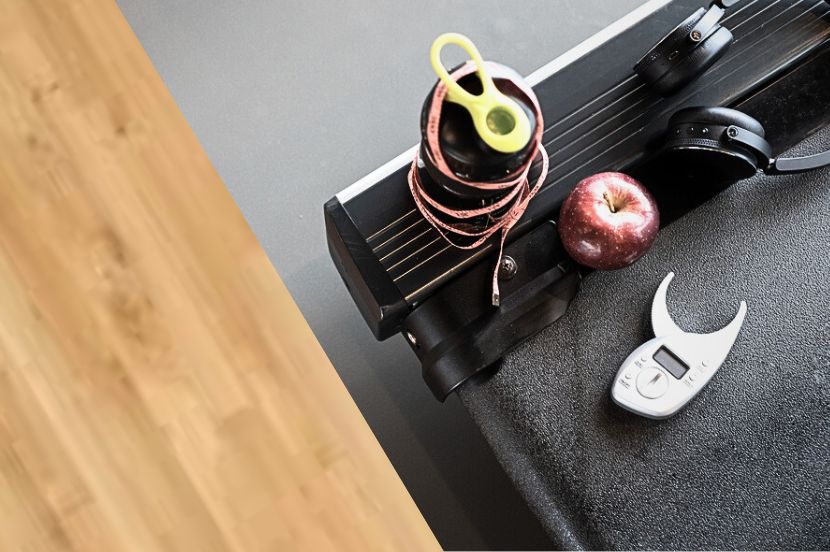
To ensure your treadmill’s elevation feature continues to function correctly, regular maintenance is crucial.
Keeping the Incline Mechanism in Top Shape
The incline mechanism is one of the most critical components of a treadmill with elevation capabilities. Regularly inspect the incline motor and belt for signs of wear and tear. Keep the area around the incline mechanism clean, and consider lubricating the moving parts as recommended by the manufacturer.
Over time, the incline system may become less responsive or start making unusual noises. Addressing these issues promptly can prevent more significant problems down the line and extend the life of your treadmill.
Regular Software Updates for Elevation Calculators
If your treadmill includes a digital elevation calculator, keeping the software up to date is essential. Manufacturers often release updates that improve the accuracy of the elevation data, add new features, or fix bugs. Check for updates regularly, either through the treadmill’s console or the manufacturer’s website.
Troubleshooting Common Issues
Even with regular maintenance, you may encounter issues with your treadmill’s incline feature. If you notice that the incline isn’t adjusting as it should, start by checking the power supply and resetting the treadmill. If the problem persists, consult the user manual or contact customer support. In some cases, a simple recalibration can resolve the issue.
It’s also a good idea to monitor the accuracy of your elevation metrics periodically. If the data seems off, it might indicate that the treadmill needs a service check or software update.
Conclusion
Incorporating a treadmill elevation calculator into your fitness routine can significantly enhance your workouts. These tools provide valuable insights into your performance, allowing you to fine-tune your training and achieve your fitness goals more efficiently. Whether you’re a beginner looking to build endurance or an experienced athlete training for a marathon, understanding and utilizing elevation data can take your workouts to the next level.
By choosing a treadmill with a built-in elevation calculator and following proper maintenance practices, you can enjoy the benefits of this feature for years to come. Remember, the key to success is not just working harder but also working smarter, and a treadmill elevation calculator is an excellent tool to help you do just that.
FAQs

FAQ 1: How accurate are treadmill elevation calculators?
Treadmill elevation calculators are generally accurate, especially on high-end models. However, slight variations can occur depending on the treadmill’s brand and model. Regular maintenance and calibration can help ensure accuracy.
FAQ 2: Can I use an elevation calculator on any treadmill?
Not all treadmills come with an integrated elevation calculator. However, some apps and external devices can estimate elevation gain based on your treadmill’s incline settings, although they may not be as precise as built-in systems.
FAQ 3: How much incline is too much?
The appropriate incline level depends on your fitness level and goals. Generally, beginners should start with a low incline (1-3%), while more experienced runners can handle steeper inclines (5-10% or more). Always listen to your body and avoid overexerting yourself.
FAQ 4: Are there any risks associated with incline workouts?
While incline workouts are beneficial, overdoing them can lead to muscle strain, especially in the calves, hamstrings, and lower back. It’s essential to warm up properly and gradually increase the incline to avoid injury.
FAQ 5: What should I do if my treadmill’s incline feature isn’t working?
If your treadmill’s incline feature stops working, try resetting the machine and checking for any loose connections. If the problem persists, consult the user manual or contact customer support. Regular maintenance and updates can help prevent such issues.